FAQs
FAQs Related to testing
Efficacy testing is the process of scientifically assessing the effectiveness of a cosmetic product. It involves testing whether the product delivers the results claimed by the manufacturer (e.g., “hydration lasting for 24 hours” or “reduces wrinkles by 20%”).
Typical claims requiring substantiation include:
- Anti-aging and wrinkle reduction
- Skin hydration and moisturization
- Acne treatment or reduction
- Whitening or brightening
- UV protection (e.g., SPF claims)
- Long-lasting effects (e.g., 24-hour moisture)
Efficacy testing may involve various methodologies, including:
- Instrumental measurements: Devices like corneometers or cutometers measure skin hydration, firmness, or elasticity.
- In-vitro tests: Laboratory-based tests (often on skin models) that simulate product use.
Yes, there are international standards for conducting cosmetic efficacy testing, such as:
- ISO 24444 for SPF testing
- ISO 24442 for anti-wrinkle efficacy
ISO 16128 for natural and organic cosmetics
The timeline varies depending on the type of testing and the product claims. For example, a short-term hydration test might take a few days, whereas anti-aging or wrinkle reduction tests may take several weeks to months to observe significant results.
Not necessarily. Efficacy testing is typically required for products making specific claims (e.g., anti-aging, moisturizing). If the product doesn’t make performance-related claims, general safety and compliance testing may suffice.
If a product fails to meet the claimed efficacy, companies typically re-evaluate the formulation or modify their claims. It’s important to ensure that claims are realistic and achievable with the product’s formulation.
Yes, consumer perception testing is a common part of efficacy studies. It involves gathering feedback from users on their experience with the product (e.g., how soft their skin feels or whether they noticed reduced wrinkles).
The cost of efficacy testing depends on the scope, complexity, and type of tests conducted. Simple tests like hydration measurement might be less expensive, whereas long-term clinical trials for anti-aging products may be more costly.
- Efficacy testing evaluates whether a product performs as claimed (e.g., reduces wrinkles).
- Safety testing ensures that a product is safe for use (e.g., does not cause irritation or allergic reactions).
Yes, many testing service providers offer both efficacy and safety testing. Both are crucial for product development and regulatory compliance.
FAQs Related to Results of Cosmetic Claim Efficacy Tests
Efficacy test results are typically provided in a detailed report that includes data from various tests, statistical analyses, and expert evaluations. These reports summarize the performance of the product, often including graphs, charts, and visual documentation (before-and-after images) to support the claims being made.
If the product does not meet the expected claims, you have a few options:
- Reformulation: You may need to adjust the product’s ingredients to improve its efficacy.
- Modify claims: Adjust the marketing claims to reflect the actual performance of the product based on the test data.
- Further testing: In some cases, additional or more targeted testing may be necessary to validate specific claims.
Yes, you can use moderate improvement results in marketing, but the language of the claim must reflect the findings accurately. For instance, instead of claiming “completely eliminates wrinkles,” you might say “reduces the appearance of wrinkles” if the test results show only a moderate reduction.
Efficacy test results can provide scientifically-backed proof for product claims, which adds credibility and enhances consumer trust. You can use specific data points in advertising (e.g., “Clinically proven to increase skin hydration by 30% after 8 hours”) or before-and-after images from the tests to demonstrate visible results.
Consumer perception can differ from scientific test results. In such cases, it’s beneficial to conduct additional consumer perception studies to understand user expectations and improve communication in marketing materials. Sometimes, consumer education on how to use the product effectively can also bridge the gap between test results and consumer satisfaction.
FAQs Related to Food Safety & Nutritional Label Claims
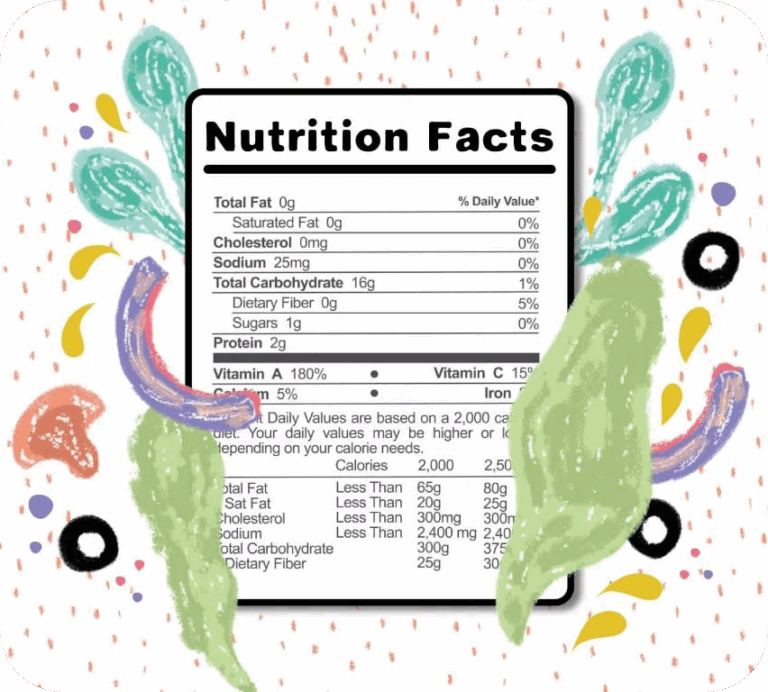
Food allergen testing is critical to ensure your product is safe for consumers with allergies and compliant with global food labeling regulations. Using ELISA-based allergen panels, we can confirm the absence (or presence) of allergens such as gluten, peanuts, soy, dairy, and more.
We test for a wide range including gluten, peanuts, tree nuts, soy, dairy, eggs, fish, shellfish, and others. Custom allergen panels can also be developed if needed.
ELISA detects and quantifies proteins, peptides, and bioactive ingredients to ensure your labels are accurate. This helps validate claims like “high protein,” “contains collagen,” or “fortified with peptides.”
Yes. Many regions (US, EU, India, GCC, etc.) mandate that products clearly declare allergens. Retailers also require independent testing before approving products for sale.
If a label claim does not hold up, you may need to adjust labeling or reformulate. We provide clear reports and guidance so you can decide whether to modify your claim or your formula.
FAQs Related to Process & Logistics
Start with a consultation call where we review your product and claims. We then provide a test plan, quote, and sample submission instructions.
Samples can be shipped to our lab with simple instructions for packaging and temperature control (we’ll guide you). The required quantity depends on the test type.
- ELISA allergen/nutritional claim testing → 2–3 weeks
- Cosmetic Episkin & biomarker studies → 3–6 weeks
Costs vary by test type. Episkin panels are premium and OECD-validated, while ELISA allergen or nutritional panels are usually more cost-effective. We provide custom quotes based on your claims.
Yes. We follow OECD guidelines (for cosmetic models) and international food safety testing protocols. Results are suitable for regulatory filings, export compliance, and retail approval.